How should I write a letter of continued interest after being waitlisted at Brandeis University?
I applied Regular Decision to Brandeis and just found out I was placed on the waitlist. I'm honestly pretty bummed because Brandeis has been near the top of my list for a long time. I love that it's a research university with a small, close-knit feel, and the social justice mission really resonates with me. I've already accepted my spot on the waitlist, but I want to write a strong letter of continued interest to boost my chances of getting in. The thing is, I'm not totally sure what approach to take. Should I just reiterate what I said in my Common App essay and why I like Brandeis, or is there a smarter way to handle it? I also have a few updates since I applied: I got promoted to editor-in-chief of my school newspaper and my first-semester senior grades came in stronger than expected. Should I mention those? And how long should the letter be? I don't want to seem like I'm begging, but I also want them to know I'm serious. Any guidance would be amazing.
2 months ago
•
87 views
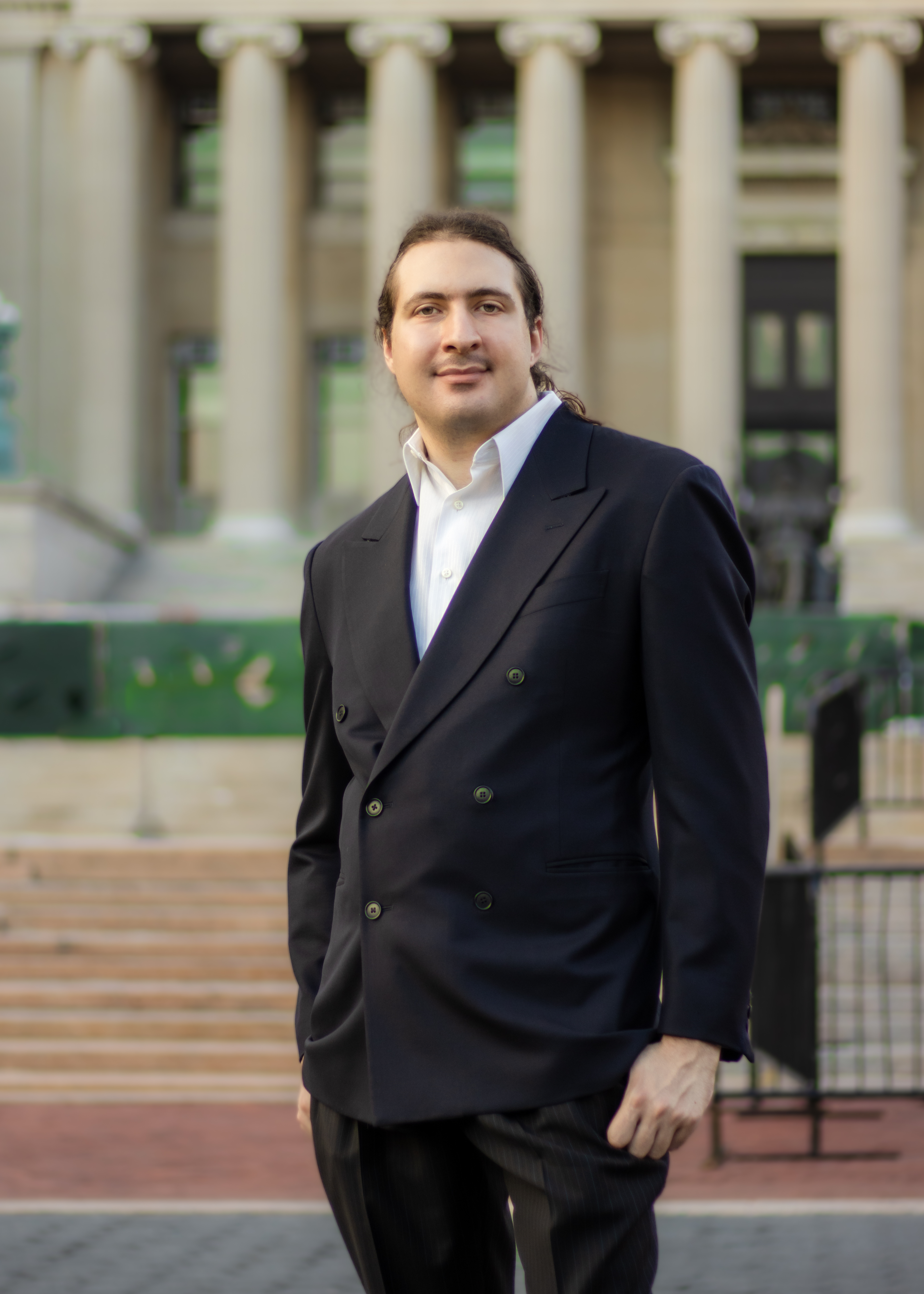
Daniel Berkowitz
• 2 months ago
Advisor
You are in a better position than you might think. Brandeis actively uses its waitlist, and in recent admissions cycles, a meaningful number of students have been admitted off of it. That said, a letter of continued interest is not a formality. It is the single most important tool you have right now to change the outcome. You need to treat it like one of the most inspired pieces of writing you have ever composed.
Let's start with what most students get wrong: tone. The person reading your letter initially decided not to offer you admission. That creates an inherently awkward dynamic, and your job is to make the reading experience as enjoyable and natural as possible. I strongly recommend opening with something lighthearted, even a bit playful. Do not reference the waitlist decision. Do not express disappointment. Do not begin with anything that forces the reader to relive the fact that they passed on you. A warm, confident, and upbeat opening immediately sets you apart from the majority of waitlisted students whose letters begin with some version of "I was disappointed to learn I was not admitted." That kind of opener puts the reader on the defensive before you have even made your case.
After your opening, transition into something intellectually substantive that connects your academic interests to something specific happening at Brandeis right now. This is where your letter stops being a generic expression of interest and starts becoming memorable. For example, since you care about social justice and you are already leading your school newspaper, you could discuss a development in media ethics or press freedom that has been on your mind and then connect it directly to how Brandeis would allow you to explore that intersection in ways no other school can. Brandeis is one of the few universities in the country with both a dedicated journalism program rooted in liberal arts inquiry and a founding institutional mission tied to social justice. You could reference the interdisciplinary nature of their curriculum, where you might pair journalism coursework with classes in legal studies or the Social Justice and Social Policy program, or talk about how the Heller School's proximity gives undergraduates unusual access to policy research that most schools reserve for graduate students. You could mention specific faculty whose work intersects with your interests, or the Louis D. Brandeis Legacy Fund for Social Justice, which funds summer fellowships for students doing exactly the kind of work that excites you. The more specific and grounded your references are, the more the admissions officer will trust that your enthusiasm is real.
From there, paint a vivid picture of who you would be as a person on Brandeis's campus. This is not a recap of your application. It is a window into the specific version of you that exists at Brandeis. Think about what your day-to-day life looks like there. Maybe you are pitching stories for the Brandeis student paper, attending a talk at the Rose Art Museum, or working as a research assistant alongside faculty in your sophomore year, something that Brandeis makes possible because of its 9:1 student-to-faculty ratio and its commitment to undergraduate research. Maybe you are taking advantage of the school's location to intern at a Boston-area media outlet or nonprofit during the semester. The goal is to make the reader feel that by not admitting you, they would be missing out on a specific, irreplaceable person who would make their campus better.
Yes, absolutely include your updates. Your promotion to editor-in-chief is exactly the kind of tangible, concrete development that belongs in a letter of continued interest, and your improved grades reinforce the upward trajectory that admissions officers love to see. Work them into the letter naturally rather than presenting them as a bulleted list of accomplishments. Let them serve the narrative you are building rather than interrupting it.
In terms of length, keep the letter under one page. This is not a second personal statement. It is a focused, purposeful communication with a clear objective. Every sentence should either demonstrate specific knowledge of Brandeis, provide a meaningful update, paint a picture of you on their campus, or affirm your commitment to enrolling.
To close, thank the reader for their time and then make an unambiguous statement: if you are offered admission, you will accept immediately. Brandeis tracks demonstrated interest, and their yield rate hovers around 25 percent, which means the admissions office is acutely aware that many admitted students choose to go elsewhere. Removing all doubt about your commitment is one of the most powerful things you can do. If Brandeis is truly your top choice, say so in terms that leave absolutely no room for interpretation.
One more thing: after you send the letter, have your guidance counselor reach out to the admissions office by phone or email to reinforce your updates and confirm your commitment to enrolling if admitted. This kind of coordinated follow-up signals seriousness and helps keep your name at the front of the committee's mind when they revisit the waitlist.
If you would like professional feedback on your letter before you send it, you can submit your draft to me through Sundial's essay review service and I will provide detailed comments to make sure it is as strong as it can be. You can also schedule a free consultation with me to talk through your overall waitlist strategy and how I can help you craft the strongest possible letter of continued interest.
Let's start with what most students get wrong: tone. The person reading your letter initially decided not to offer you admission. That creates an inherently awkward dynamic, and your job is to make the reading experience as enjoyable and natural as possible. I strongly recommend opening with something lighthearted, even a bit playful. Do not reference the waitlist decision. Do not express disappointment. Do not begin with anything that forces the reader to relive the fact that they passed on you. A warm, confident, and upbeat opening immediately sets you apart from the majority of waitlisted students whose letters begin with some version of "I was disappointed to learn I was not admitted." That kind of opener puts the reader on the defensive before you have even made your case.
After your opening, transition into something intellectually substantive that connects your academic interests to something specific happening at Brandeis right now. This is where your letter stops being a generic expression of interest and starts becoming memorable. For example, since you care about social justice and you are already leading your school newspaper, you could discuss a development in media ethics or press freedom that has been on your mind and then connect it directly to how Brandeis would allow you to explore that intersection in ways no other school can. Brandeis is one of the few universities in the country with both a dedicated journalism program rooted in liberal arts inquiry and a founding institutional mission tied to social justice. You could reference the interdisciplinary nature of their curriculum, where you might pair journalism coursework with classes in legal studies or the Social Justice and Social Policy program, or talk about how the Heller School's proximity gives undergraduates unusual access to policy research that most schools reserve for graduate students. You could mention specific faculty whose work intersects with your interests, or the Louis D. Brandeis Legacy Fund for Social Justice, which funds summer fellowships for students doing exactly the kind of work that excites you. The more specific and grounded your references are, the more the admissions officer will trust that your enthusiasm is real.
From there, paint a vivid picture of who you would be as a person on Brandeis's campus. This is not a recap of your application. It is a window into the specific version of you that exists at Brandeis. Think about what your day-to-day life looks like there. Maybe you are pitching stories for the Brandeis student paper, attending a talk at the Rose Art Museum, or working as a research assistant alongside faculty in your sophomore year, something that Brandeis makes possible because of its 9:1 student-to-faculty ratio and its commitment to undergraduate research. Maybe you are taking advantage of the school's location to intern at a Boston-area media outlet or nonprofit during the semester. The goal is to make the reader feel that by not admitting you, they would be missing out on a specific, irreplaceable person who would make their campus better.
Yes, absolutely include your updates. Your promotion to editor-in-chief is exactly the kind of tangible, concrete development that belongs in a letter of continued interest, and your improved grades reinforce the upward trajectory that admissions officers love to see. Work them into the letter naturally rather than presenting them as a bulleted list of accomplishments. Let them serve the narrative you are building rather than interrupting it.
In terms of length, keep the letter under one page. This is not a second personal statement. It is a focused, purposeful communication with a clear objective. Every sentence should either demonstrate specific knowledge of Brandeis, provide a meaningful update, paint a picture of you on their campus, or affirm your commitment to enrolling.
To close, thank the reader for their time and then make an unambiguous statement: if you are offered admission, you will accept immediately. Brandeis tracks demonstrated interest, and their yield rate hovers around 25 percent, which means the admissions office is acutely aware that many admitted students choose to go elsewhere. Removing all doubt about your commitment is one of the most powerful things you can do. If Brandeis is truly your top choice, say so in terms that leave absolutely no room for interpretation.
One more thing: after you send the letter, have your guidance counselor reach out to the admissions office by phone or email to reinforce your updates and confirm your commitment to enrolling if admitted. This kind of coordinated follow-up signals seriousness and helps keep your name at the front of the committee's mind when they revisit the waitlist.
If you would like professional feedback on your letter before you send it, you can submit your draft to me through Sundial's essay review service and I will provide detailed comments to make sure it is as strong as it can be. You can also schedule a free consultation with me to talk through your overall waitlist strategy and how I can help you craft the strongest possible letter of continued interest.
Comments & Questions (0)
No comments yet. Be the first to ask a question or share your thoughts!
Start the conversation
Have a follow-up question or want to share your experience? Leave a comment below.
Related Questions
Students also ask…
How should I write a letter of continued interest to Franklin & Marshall College?
Does UC Berkeley accept letters of continued interest?
Waitlisted from NYU: What Should I Do?
What should I do after being waitlisted from an Early Decision college?
How do I send colleges an update after being waitlisted?
Daniel Berkowitz
New York City
Yale University - PhD in Theoretical Physics | NYU - BS in Physics
Experience
9 years
Rating
5.0 (275 reviews)