What should I do after being deferred from Columbia?
I just received my early decision results from Columbia, and I was deferred to the regular decision round. I'm trying to figure out my next steps and feeling a bit overwhelmed. Should I write a letter of continued interest? If so, what should I include, and when should I submit it? I'm also wondering whether my guidance counselor should reach out to the admissions office, and if there are specific things about Columbia I should mention to show I'm serious about attending. What's the best strategy to improve my chances of acceptance in the regular round?
4 months ago
•
85 views
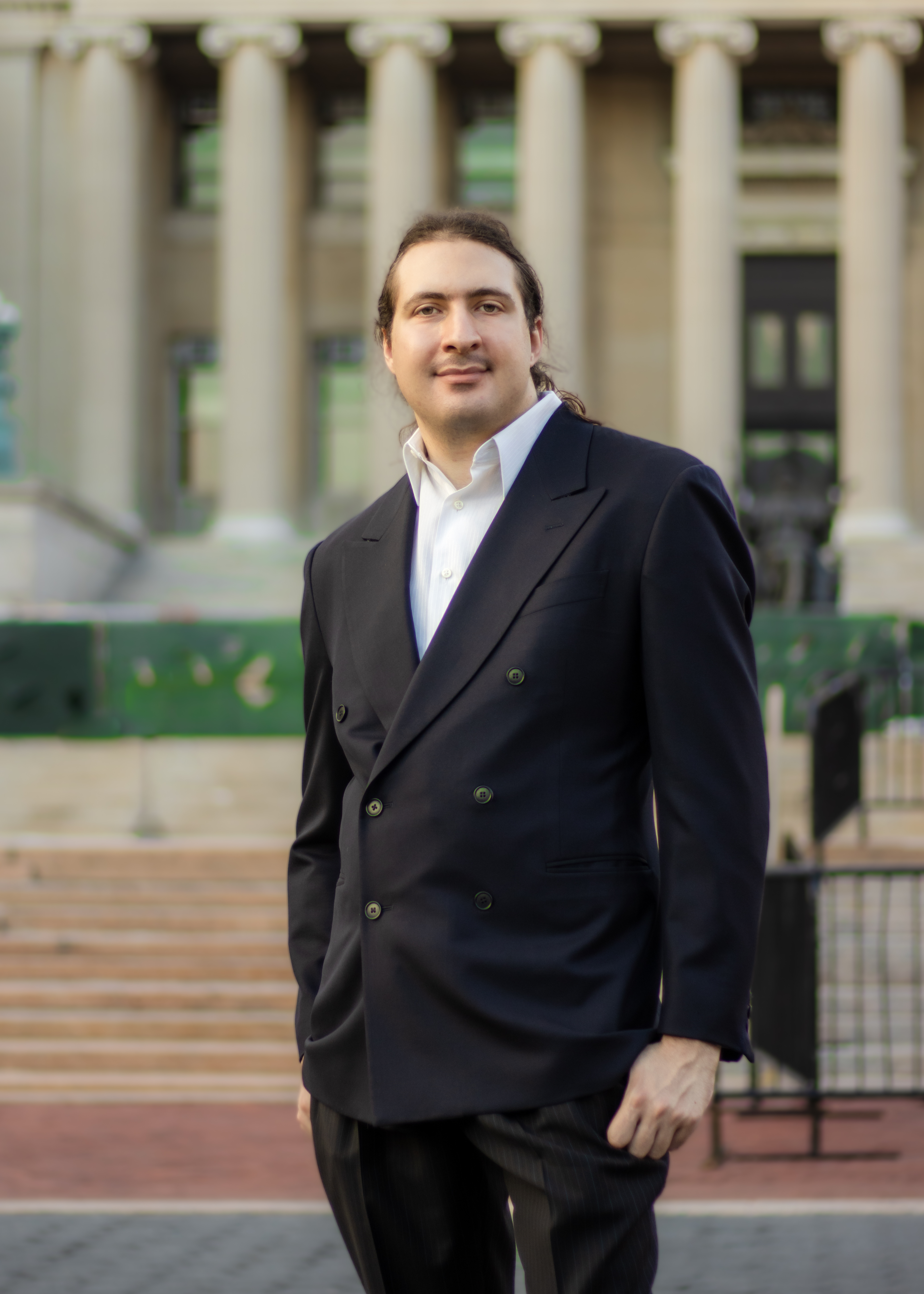
Daniel Berkowitz
• 4 months ago
Advisor
Submit a letter of continued interest by Friday, December 19th, and afterward, have your guidance counselor call or at least email the admissions office to update them about your awards, publications, accomplishments, and grades since you applied. They should affirm that no matter what other admission decisions you receive, you will choose to attend Columbia if offered a spot.
This letter should be one of the most inspired pieces of writing you've ever composed. Let your heart write a love song for Columbia and translate that into giving the reader a concrete picture of exactly who you will be as a person on their campus. This includes demonstrating how you'll contribute to spaces and organizations on campus and reminding the reader of your academic hook—the niche you spent time and effort carving out in high school to distinguish yourself from others. Ensure the letter is addressed to your regional admissions officer, which you can find on Columbia's website.
When it comes to bragging about grades, prizes, or publications, save it. Your guidance counselor should be the one sharing these updates. If you made it far enough to be deferred (rather than rejected), you already have the academic credentials. When your counselor goes out of their way to share your accomplishments, it carries more weight and demonstrates that there's something compelling about your personhood worth advocating for.
I personally recommend starting the letter with something funny or lighthearted. It's naturally awkward reading something from someone you've deferred. To make the experience as cringe-free as possible for the admissions officer, don't reference the deferral explicitly or convey feelings of disappointment.
After a positive introduction, talk to the reader about something related to your niche, perhaps a new cutting-edge development or something you recently learned. Connect this to something currently happening at Columbia and explain how, by leveraging certain opportunities there, you can achieve a meaningful goal.
Columbia offers incredible opportunities to weave into your narrative. Perhaps you're drawn to the Core Curriculum's emphasis on intellectual exploration across Literature Humanities, Contemporary Civilization, or Art Humanities. Maybe you've identified specific research centers like the Data Science Institute, the Earth Institute, or cutting-edge work with particular faculty members whose publications have shaped your thinking.
Don't overlook Columbia's unique advantage: its location in New York City. Being in Morningside Heights means unparalleled access to internships, cultural institutions, and professional networks that simply don't exist anywhere else. Show how you'll leverage the Columbia Arts Initiative for free museum access, or how proximity to Wall Street, Silicon Alley, or world-class hospitals aligns with your career aspirations.
Next, paint them a picture of you on their campus. Have fun here, write a hypothetical scenario of you making some of the best memories of your life there. Imagine yourself lounging on Low Steps on a sunny afternoon between classes, or studying late in Butler Library surrounded by equally passionate students. Picture yourself at Bacchanal in the spring, or cheering on the Lions at homecoming. Show them you participating in one of Columbia's 500+ student organizations, whether that's the Spectator, the Society of Women Engineers, an a cappella group, or a cultural organization that resonates with your identity. Make the admissions officer feel your presence at Columbia before you've even enrolled.
This letter should be one of the most inspired pieces of writing you've ever composed. Let your heart write a love song for Columbia and translate that into giving the reader a concrete picture of exactly who you will be as a person on their campus. This includes demonstrating how you'll contribute to spaces and organizations on campus and reminding the reader of your academic hook—the niche you spent time and effort carving out in high school to distinguish yourself from others. Ensure the letter is addressed to your regional admissions officer, which you can find on Columbia's website.
When it comes to bragging about grades, prizes, or publications, save it. Your guidance counselor should be the one sharing these updates. If you made it far enough to be deferred (rather than rejected), you already have the academic credentials. When your counselor goes out of their way to share your accomplishments, it carries more weight and demonstrates that there's something compelling about your personhood worth advocating for.
I personally recommend starting the letter with something funny or lighthearted. It's naturally awkward reading something from someone you've deferred. To make the experience as cringe-free as possible for the admissions officer, don't reference the deferral explicitly or convey feelings of disappointment.
After a positive introduction, talk to the reader about something related to your niche, perhaps a new cutting-edge development or something you recently learned. Connect this to something currently happening at Columbia and explain how, by leveraging certain opportunities there, you can achieve a meaningful goal.
Columbia offers incredible opportunities to weave into your narrative. Perhaps you're drawn to the Core Curriculum's emphasis on intellectual exploration across Literature Humanities, Contemporary Civilization, or Art Humanities. Maybe you've identified specific research centers like the Data Science Institute, the Earth Institute, or cutting-edge work with particular faculty members whose publications have shaped your thinking.
Don't overlook Columbia's unique advantage: its location in New York City. Being in Morningside Heights means unparalleled access to internships, cultural institutions, and professional networks that simply don't exist anywhere else. Show how you'll leverage the Columbia Arts Initiative for free museum access, or how proximity to Wall Street, Silicon Alley, or world-class hospitals aligns with your career aspirations.
Next, paint them a picture of you on their campus. Have fun here, write a hypothetical scenario of you making some of the best memories of your life there. Imagine yourself lounging on Low Steps on a sunny afternoon between classes, or studying late in Butler Library surrounded by equally passionate students. Picture yourself at Bacchanal in the spring, or cheering on the Lions at homecoming. Show them you participating in one of Columbia's 500+ student organizations, whether that's the Spectator, the Society of Women Engineers, an a cappella group, or a cultural organization that resonates with your identity. Make the admissions officer feel your presence at Columbia before you've even enrolled.
Comments & Questions (0)
No comments yet. Be the first to ask a question or share your thoughts!
Start the conversation
Have a follow-up question or want to share your experience? Leave a comment below.
Related Questions
Students also ask…
What should I do after getting deferred from a college application?
How much does being on the Stanford waitlist actually improve your chances of admission?
How much does being on the Princeton waitlist actually improve your chances compared to a regular rejection?
Waitlisted from NYU: What Should I Do?
What should I do after being waitlisted from an Early Decision college?
Daniel Berkowitz
New York City
Yale University - PhD in Theoretical Physics | NYU - BS in Physics
Experience
9 years
Rating
5.0 (275 reviews)