Is writing for the school newspaper a good extracurricular for college applications?
I write for my school newspaper and I genuinely enjoy it. I cover a range of topics and I have been on staff for two years. I am starting to wonder, though, whether this is actually doing anything for my college applications, especially since I am targeting some fairly selective schools. I have heard that school-based extracurriculars carry less weight than they used to. Is newspaper still worth my time from an admissions standpoint, and if so, what should I be doing to get the most out of it?
5 hours ago
•
1 view
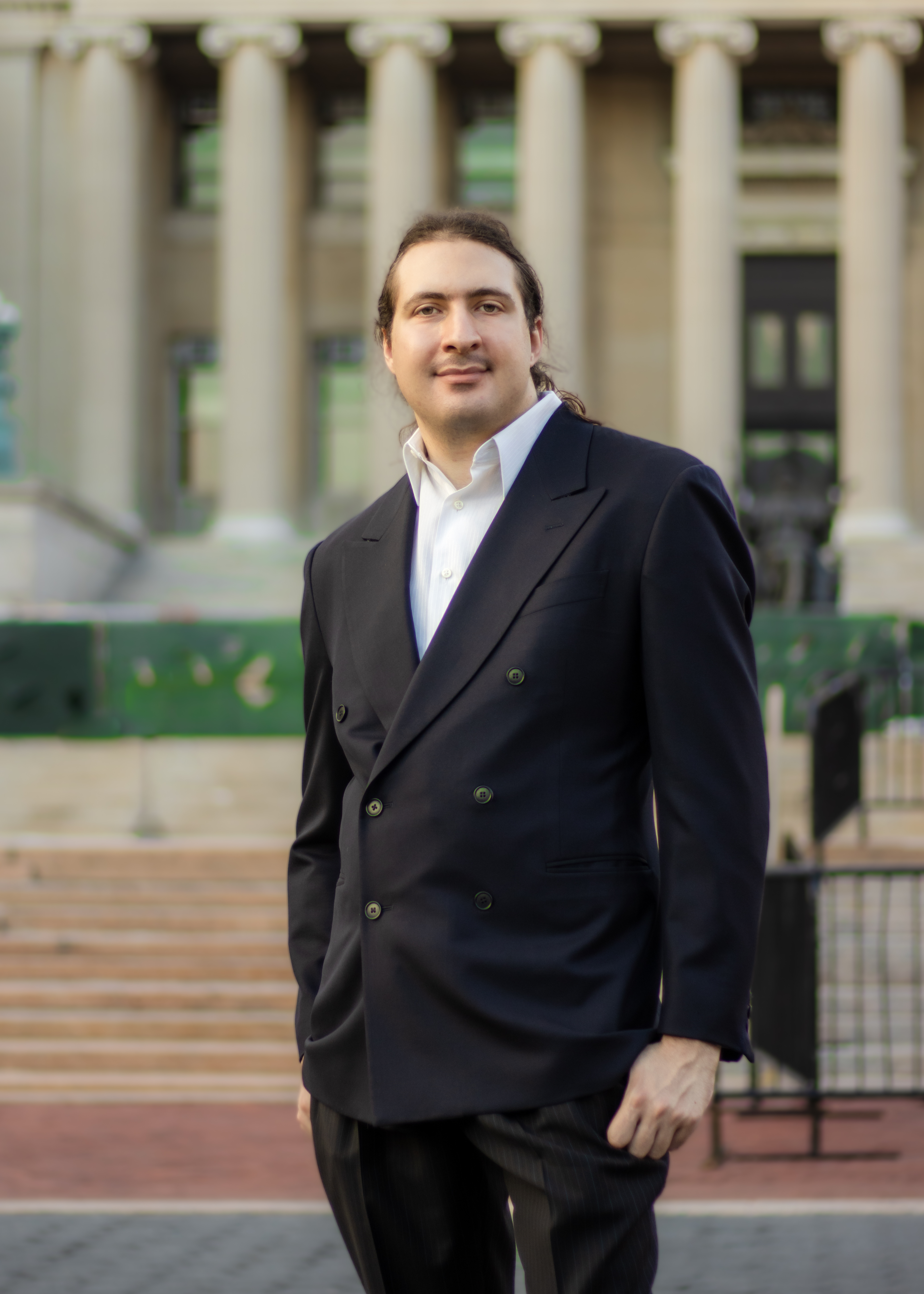
Daniel Berkowitz
• 5 hours ago
Advisor
Yes, writing for the school newspaper is a genuinely valuable extracurricular. Unlike many activities that exist purely to pad a resume, it develops real, transferable skills: research, argumentation, meeting deadlines, and communicating complex ideas to a broad audience. Admissions officers recognize these skills. The question is not whether newspaper is a good activity. It is whether you are doing it in a way that actually supports your application narrative.
The most common mistake students make is joining newspaper because it sounds impressive, then spending three years covering the cafeteria, the homecoming game, and the spring musical. None of that is bad writing experience, but it tells an admissions officer very little about who you are intellectually or where you are headed academically. The students who get real mileage out of newspaper are the ones who use it strategically. If you are applying as a prospective physics major, do not write the sports column. Write about science. Cover a local researcher's work, profile a professor at a nearby university, or report on a technology initiative in your community. Use the platform to demonstrate that your intellectual curiosity extends beyond the classroom. A future political science student should be writing op-eds about local elections and policy debates. An aspiring environmental scientist should be covering sustainability issues. When your bylines align with your academic interests, the activity stops being just an extracurricular and starts becoming part of a coherent story about who you are.
That said, here is the honest reality for students targeting the most selective schools: writing for your school newspaper alone will not make you stand out. School newspaper, like most school-based extracurriculars, operates in a relatively insulated environment. The audience is your classmates. The stakes are low. The real world does not notice. Students aiming for T20 institutions need to take their writing beyond the school building.
There are two main ways to do this. The first is getting published in outlets that adults actually read. Local newspapers, regional magazines, and community publications are more accessible than most students realize, but accessible is not the same as easy. A professional editor at a local paper has column space to protect, readers to retain, and a publication's reputation to uphold. They will reject pieces that are vague, poorly argued, or not genuinely newsworthy, and most submissions do get rejected. You are competing not just against other high schoolers, but against adults with years of writing experience pitching to the same limited slots. That is precisely what makes a published op-ed in a local paper so valuable on an application. It signals something a school newspaper byline simply cannot: that your writing was judged by people in the real world, held to professional standards, and selected over other submissions by someone with no obligation to say yes. If you have a genuine perspective on a local issue, pitch it. A thoughtful, well-argued piece has a real chance of clearing that bar. But you have to actually clear it, and that is the point.
The second path is writing competitions. Competitions like the Scholastic Art and Writing Awards, the John Locke Essay Competition, and the Concord Review put your work in front of independent judges and provide external validation of your ability. Placing in a nationally recognized writing competition tells admissions officers that your writing does not just meet the standard of your high school's editorial board. It meets a higher external bar.
The deeper principle here is one worth understanding clearly. Colleges, especially the most selective ones, are increasingly prioritizing evidence that you have engaged meaningfully with the world outside of school. School-based activities carry less signal than they once did precisely because they happen in spaces where the adults around you have some obligation to include you and support you. Getting a piece published in a real newspaper, winning a competition judged by people who do not know you, conducting research alongside a professor who holds you to professional standards: these are the experiences that move the needle at top schools. Newspaper is a solid foundation. What you build on top of it is what actually matters.
The most common mistake students make is joining newspaper because it sounds impressive, then spending three years covering the cafeteria, the homecoming game, and the spring musical. None of that is bad writing experience, but it tells an admissions officer very little about who you are intellectually or where you are headed academically. The students who get real mileage out of newspaper are the ones who use it strategically. If you are applying as a prospective physics major, do not write the sports column. Write about science. Cover a local researcher's work, profile a professor at a nearby university, or report on a technology initiative in your community. Use the platform to demonstrate that your intellectual curiosity extends beyond the classroom. A future political science student should be writing op-eds about local elections and policy debates. An aspiring environmental scientist should be covering sustainability issues. When your bylines align with your academic interests, the activity stops being just an extracurricular and starts becoming part of a coherent story about who you are.
That said, here is the honest reality for students targeting the most selective schools: writing for your school newspaper alone will not make you stand out. School newspaper, like most school-based extracurriculars, operates in a relatively insulated environment. The audience is your classmates. The stakes are low. The real world does not notice. Students aiming for T20 institutions need to take their writing beyond the school building.
There are two main ways to do this. The first is getting published in outlets that adults actually read. Local newspapers, regional magazines, and community publications are more accessible than most students realize, but accessible is not the same as easy. A professional editor at a local paper has column space to protect, readers to retain, and a publication's reputation to uphold. They will reject pieces that are vague, poorly argued, or not genuinely newsworthy, and most submissions do get rejected. You are competing not just against other high schoolers, but against adults with years of writing experience pitching to the same limited slots. That is precisely what makes a published op-ed in a local paper so valuable on an application. It signals something a school newspaper byline simply cannot: that your writing was judged by people in the real world, held to professional standards, and selected over other submissions by someone with no obligation to say yes. If you have a genuine perspective on a local issue, pitch it. A thoughtful, well-argued piece has a real chance of clearing that bar. But you have to actually clear it, and that is the point.
The second path is writing competitions. Competitions like the Scholastic Art and Writing Awards, the John Locke Essay Competition, and the Concord Review put your work in front of independent judges and provide external validation of your ability. Placing in a nationally recognized writing competition tells admissions officers that your writing does not just meet the standard of your high school's editorial board. It meets a higher external bar.
The deeper principle here is one worth understanding clearly. Colleges, especially the most selective ones, are increasingly prioritizing evidence that you have engaged meaningfully with the world outside of school. School-based activities carry less signal than they once did precisely because they happen in spaces where the adults around you have some obligation to include you and support you. Getting a piece published in a real newspaper, winning a competition judged by people who do not know you, conducting research alongside a professor who holds you to professional standards: these are the experiences that move the needle at top schools. Newspaper is a solid foundation. What you build on top of it is what actually matters.
Comments & Questions (0)
No comments yet. Be the first to ask a question or share your thoughts!
Start the conversation
Have a follow-up question or want to share your experience? Leave a comment below.
Related Questions
Students also ask…
Daniel Berkowitz
New York City
Yale University - PhD in Theoretical Physics | NYU - BS in Physics
Experience
9 years
Rating
5.0 (274 reviews)