What are some tips for making my college application essays stand out?
I’m starting to brainstorm ideas for my college application essays and honestly, I’m a bit overwhelmed. I know everyone says to "be yourself," but sometimes that feels too vague. I want my essays to be memorable and reflect who I am, but I have trouble figuring out what to focus on.
Has anyone here found a specific approach or tip that actually helped make their essays unique? Did you write about something super significant, or was it a more everyday topic? I’d really appreciate any advice or examples about what colleges seem to like.
Also, is it better to try and be funny, or just stay genuine and straightforward? I’m starting to stress a little because I know the essays matter a lot and deadlines are coming up.
Has anyone here found a specific approach or tip that actually helped make their essays unique? Did you write about something super significant, or was it a more everyday topic? I’d really appreciate any advice or examples about what colleges seem to like.
Also, is it better to try and be funny, or just stay genuine and straightforward? I’m starting to stress a little because I know the essays matter a lot and deadlines are coming up.
4 months ago
•
64 views
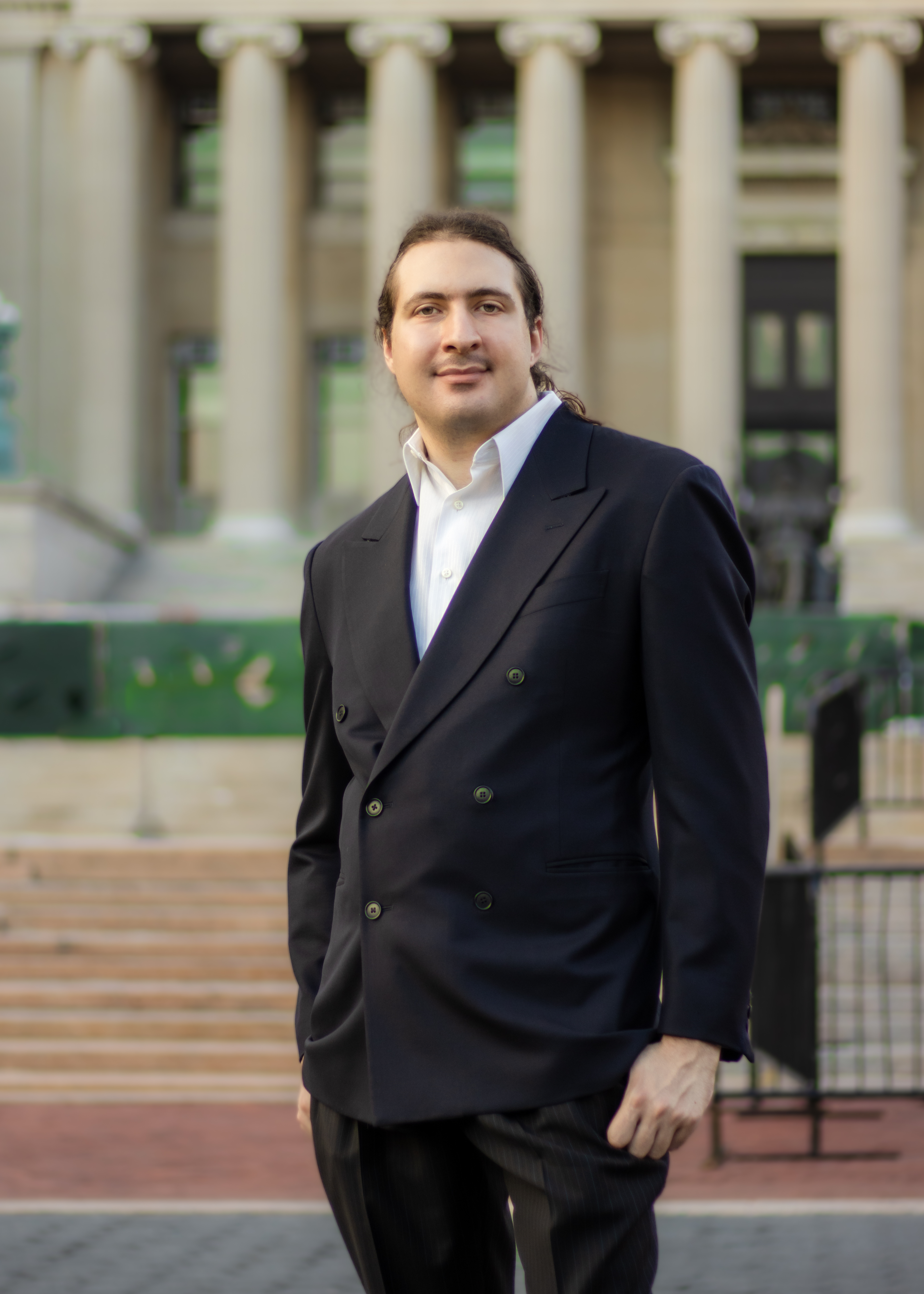
Daniel Berkowitz
• 4 months ago
Advisor
First, stop stressing about the phrase "be yourself." It is the most useless piece of advice in college admissions because it gives you no direction. Of course you should be yourself, who else would you be?
The better advice, and the core of the my philosophy, is this: Don't tell us who you are; show us how you think.
You asked about "Big" vs. "Everyday" topics and how to handle tone. Here is the reality of what actually works in the reading room.
1. The "Big Event" vs. The "Small Moment"
You asked if you should write about something "super significant" or an "everyday topic." The everyday topic almost always wins.
Here is why: "Big" events (winning the championship, the mission trip, the grand epiphany) are usually shared experiences. Thousands of students win championships. Thousands go on trips. If you write about the Big Event, you are fighting a losing battle to prove why your version of that event is different from the 5,000 others in the stack.
My Strategy: Go small. Hyper-specific.
Don't write about: How much you love playing the piano (Generic).
Do write about: The specific frustration of trying to master one specific measure of a Rachmaninoff prelude, and what that specific struggle taught you about the relationship between chaos and order.
The smaller the window, the deeper the view. Admissions officers love "mundane" topics treated with intellectual vitality. It proves you can find meaning in the ordinary.
2. Funny vs. Genuine? (The Risk Assessment)
You asked if you should try to be funny. Rule of Thumb: If you have to ask, the answer is no.
Humor is incredibly subjective. What is funny to a 17-year-old student might be confusing or off-putting to a 50-year-old admissions officer reading at 11 PM on a Tuesday.
The Goal isn't "Funny," it's "Engaging."
If you are naturally witty, let it shine through in your phrasing. But do not write a "comedy routine."
Genuine & Insightful > Funny. The admissions officer wants to know if you are the kind of person who will be an interesting roommate and a dynamic scholar. You demonstrate that by being thoughtful, not by cracking jokes.
3. How to Find Your Unique Approach
You mentioned feeling overwhelmed by brainstorming. Here is a specific exercise we use to break students out of "resume mode" and into "essay mode."
The "Camera Lens" Exercise: Instead of trying to summarize your whole life (which is impossible and boring), zoom in.
Think of a specific object, place, or routine that is crucial to your daily life. (e.g., The cluttered desk where you code, the specific spices you use when cooking for your family, the way you organize your Spotify playlists).
Describe it vividly. Use sensory details.
Ask "Why?" Why do you do it that way? What does that specific habit reveal about how your brain works?
Example:
Bad/Vague: "I am very organized and a good leader."
Unique/Specific: "I color-code my bookshelf not by genre, but by the emotion the book made me feel. This chaotic-looking system actually reveals how I process information: emotionally first, logically second."
To make your essay memorable:
Ignore the "Highlight Reel": We have your grades and awards in the other sections.
Slice of Life: Pick a moment, not a timeline.
Intellectualize the Mundane: Take a normal thing and show us the complex thinking behind it.
My recommendation: Look at your list of ideas. Cross out the ones that sound like "achievements" (The Big Game, The Award). Circle the ones that sound like "habits" or "obsessions" (The weird hobby, the family tradition). Start writing there. That is where your voice lives.
The better advice, and the core of the my philosophy, is this: Don't tell us who you are; show us how you think.
You asked about "Big" vs. "Everyday" topics and how to handle tone. Here is the reality of what actually works in the reading room.
1. The "Big Event" vs. The "Small Moment"
You asked if you should write about something "super significant" or an "everyday topic." The everyday topic almost always wins.
Here is why: "Big" events (winning the championship, the mission trip, the grand epiphany) are usually shared experiences. Thousands of students win championships. Thousands go on trips. If you write about the Big Event, you are fighting a losing battle to prove why your version of that event is different from the 5,000 others in the stack.
My Strategy: Go small. Hyper-specific.
Don't write about: How much you love playing the piano (Generic).
Do write about: The specific frustration of trying to master one specific measure of a Rachmaninoff prelude, and what that specific struggle taught you about the relationship between chaos and order.
The smaller the window, the deeper the view. Admissions officers love "mundane" topics treated with intellectual vitality. It proves you can find meaning in the ordinary.
2. Funny vs. Genuine? (The Risk Assessment)
You asked if you should try to be funny. Rule of Thumb: If you have to ask, the answer is no.
Humor is incredibly subjective. What is funny to a 17-year-old student might be confusing or off-putting to a 50-year-old admissions officer reading at 11 PM on a Tuesday.
The Goal isn't "Funny," it's "Engaging."
If you are naturally witty, let it shine through in your phrasing. But do not write a "comedy routine."
Genuine & Insightful > Funny. The admissions officer wants to know if you are the kind of person who will be an interesting roommate and a dynamic scholar. You demonstrate that by being thoughtful, not by cracking jokes.
3. How to Find Your Unique Approach
You mentioned feeling overwhelmed by brainstorming. Here is a specific exercise we use to break students out of "resume mode" and into "essay mode."
The "Camera Lens" Exercise: Instead of trying to summarize your whole life (which is impossible and boring), zoom in.
Think of a specific object, place, or routine that is crucial to your daily life. (e.g., The cluttered desk where you code, the specific spices you use when cooking for your family, the way you organize your Spotify playlists).
Describe it vividly. Use sensory details.
Ask "Why?" Why do you do it that way? What does that specific habit reveal about how your brain works?
Example:
Bad/Vague: "I am very organized and a good leader."
Unique/Specific: "I color-code my bookshelf not by genre, but by the emotion the book made me feel. This chaotic-looking system actually reveals how I process information: emotionally first, logically second."
To make your essay memorable:
Ignore the "Highlight Reel": We have your grades and awards in the other sections.
Slice of Life: Pick a moment, not a timeline.
Intellectualize the Mundane: Take a normal thing and show us the complex thinking behind it.
My recommendation: Look at your list of ideas. Cross out the ones that sound like "achievements" (The Big Game, The Award). Circle the ones that sound like "habits" or "obsessions" (The weird hobby, the family tradition). Start writing there. That is where your voice lives.
Comments & Questions (0)
No comments yet. Be the first to ask a question or share your thoughts!
Start the conversation
Have a follow-up question or want to share your experience? Leave a comment below.
Related Questions
Students also ask…
What are some examples of the worst college essay mistakes people have made?
What are some unique writing prompts for college essays?
Where can I find strong Stanford supplemental essay examples, and what makes them effective?
How many recommendation letters does Harvard require for freshman applicants?
What makes a strong Harvard application essay?
Daniel Berkowitz
New York City
Yale University - PhD in Theoretical Physics | NYU - BS in Physics
Experience
9 years
Rating
5.0 (275 reviews)